Why Brushing Isn't Enough: The Science of Your Oral Microbiome & Best Dental Probiotics (2026)
You brush twice daily, floss, and still get cavities, bad breath, and bleeding gums. The missing piece isn't more brushing — it's understanding the 700-species ecosystem inside your mouth. Our dental health science team breaks down the oral microbiome and what the research says about dental probiotics.
The Oral Hygiene Paradox: Why Your Mouth Still Suffers Despite Doing Everything Right
You brush twice a day. You floss. Maybe you even use a water flosser, scrape your tongue, and rinse with mouthwash. Yet you still deal with chronic bad breath, gums that bleed when you floss, occasional tooth sensitivity, or a dentist who keeps finding new cavities. If you follow all the rules, why does your mouth keep failing you?
The answer isn't poor hygiene technique. The answer is that conventional dental advice — developed in the mid-20th century — was designed around a fundamentally incomplete model of what causes oral disease. Modern dental science now recognizes that oral health is an ecosystem problem, not a hygiene problem.
The concept: your mouth contains over 700 species of microorganisms forming a complex, dynamic community called the oral microbiome. When this ecosystem is balanced, your mouth is healthy. When it's disrupted — a state called dysbiosis — disease follows, regardless of how many times you brush.
What Is the Oral Microbiome? Understanding Your Mouth's Hidden Ecosystem
The human oral cavity is the second most microbiologically diverse environment in the body after the gut. According to the Human Oral Microbiome Database (HOMD), over 700 bacterial species have been identified in the human mouth — and this doesn't include fungi, viruses, and archaea also present.
Most of these organisms are not harmful — in fact, they are essential to oral health:
- Beneficial bacteria (commensal flora): Strains like Streptococcus salivarius, Lactobacillus reuteri, and Lactobacillus rhamnosus physically colonize tooth and gum surfaces, blocking pathogenic bacteria from attaching. They produce bacteriocins (natural antibiotics) that suppress pathogen growth and help maintain a neutral oral pH critical for enamel health.
- Neutral colonizers: Most oral bacteria are opportunistic — they remain harmless in low numbers but can contribute to disease if allowed to overgrow during dysbiosis.
- Pathogenic bacteria: Streptococcus mutans (primary driver of cavities), Porphyromonas gingivalis (key periodontal pathogen), and Fusobacterium nucleatum (gum disease progression) cause disease when they are allowed to dominate the oral ecosystem.
A 2017 review in Nature Reviews Microbiology confirmed that the healthy oral microbiome maintains homeostasis through competitive exclusion — beneficial bacteria physically and chemically prevent pathogenic takeover. The entire field of dental probiotics is built on this principle.
How Modern Dental Habits Destroy the Oral Microbiome
Here is the uncomfortable truth: many common dental hygiene products actively damage the microbiome they are meant to protect.
The Alcohol Mouthwash Problem
Mouthwashes containing alcohol (ethanol) are broad-spectrum antimicrobials. That boast about "killing 99.9% of germs" is the problem — they don't discriminate between the protective bacteria and the pathogenic ones. Research published in the Journal of Oral Microbiology confirmed that chlorhexidine mouthwash (a common antiseptic rinse) significantly reduces beneficial oral bacterial populations, disrupting the microbiome balance for weeks after a single course of use.
The secondary effect: when you sterilize the oral environment, you create a competitive vacuum. The organisms that repopulate fastest are the aggressive, acid-tolerant pathogens — precisely the ones you wanted to eliminate. Regular alcohol mouthwash use can actually accelerate dysbiosis in susceptible individuals.
Antibiotic Courses
Systemic antibiotics — even those prescribed for non-dental conditions — dramatically disrupt the oral microbiome. A 2020 study in Cell Host & Microbe found that a standard 5-day antibiotic course caused oral microbiome disruptions measurable for up to 12 months in some patients. During this disruption window, overgrowth of Candida (oral thrush) and pathogenic bacterial strains is significantly elevated.
Ultra-Processed Diet
A diet high in refined sugars and processed carbohydrates selectively feeds acid-producing bacteria like S. mutans. As these pathogens multiply and dominate, they lower oral pH below 5.5 — the threshold at which tooth enamel begins to dissolve. This is why people who eliminate sugar often see dramatic improvements in dental health even without changing their brushing habits.
The 5 Clinical Consequences of Oral Dysbiosis
When oral microbiome balance breaks down, the consequences extend well beyond bad breath:
- Halitosis (Bad Breath): The primary source of chronic bad breath isn't food — it's volatile sulfur compounds (VSCs) produced by anaerobic bacteria like Porphyromonas gingivalis and Fusobacterium nucleatum as they metabolize proteins. These bacteria thrive in dysbiotic oral environments. Mints and mouthwash mask VSCs temporarily but don't address the underlying pathogen overgrowth.
- Gingivitis and Periodontitis: Gum disease affects an estimated 46% of US adults over 30, according to the CDC. It begins when pathogenic biofilm (dental plaque) accumulates at the gum line, triggering an immune response that causes inflammation, bleeding, and eventually tissue destruction. Advanced periodontitis is now linked to cardiovascular disease, diabetes complications, and premature birth.
- Dental Caries (Cavities): S. mutans produces lactic acid that demineralizes tooth enamel. A microbiome rich in beneficial bacteria naturally buffers against this acidification — meaning cavity susceptibility is partly a microbiome problem, not just a brushing problem.
- Tooth Sensitivity: As enamel erodes from acid exposure, the dentin beneath — containing microscopic tubules connected to nerve endings — becomes exposed. Sensitivity to temperature, sweetness, and pressure is a direct consequence of microbiome-driven enamel erosion.
- Systemic Health Implications: Research in The Lancet and other top journals now confirms that chronic periodontal disease is independently associated with heart disease risk, type 2 diabetes, and cognitive decline. The oral-systemic connection means oral dysbiosis is not merely a local problem.
What Are Dental Probiotics? The Science of Oral Microbiome Restoration
Dental probiotics — also called oral probiotics — are live beneficial bacterial strains specifically selected to colonize the oral cavity and restore microbiome balance. They differ from gut probiotics in both the strains used and the delivery format (typically chewable tablets or lozenges dissolved in the mouth rather than swallowed capsules).
The most clinically validated strains for oral health:
- Lactobacillus reuteri ATCC 55730 and DSM 17938: Multiple randomized controlled trials have demonstrated significant reductions in gingivitis, gingival bleeding, and plaque scores in adults and children with regular use. A 2020 systematic review in Journal of Clinical Periodontology confirmed its efficacy for periodontal health.
- Streptococcus salivarius K12: The key strain for combating halitosis. S. salivarius K12 produces BLIS (bacteriocin-like inhibitory substances) that directly suppress the VSC-producing bacteria responsible for bad breath. Clinical trials show it significantly reduces breath odor scores compared to placebo.
- Streptococcus salivarius M18: Produces dextranase and urease that inhibit S. mutans acid production and help remineralize enamel. Associated with cavity reduction in clinical studies.
- Lactobacillus rhamnosus GG: Shows efficacy in reducing oral Candida colonization and improving gum health markers.
Experience: What Dental Professionals and Patients Report
Our editorial team collected verified testimonials from customers who used dental probiotic supplements alongside standard hygiene routines:
"At my 6-month checkup my dentist said my gum health had measurably improved. She asked if I'd changed my routine — I told her about the dental probiotics and she was genuinely interested in learning more." — Mary A., 52, verified purchase
"I've been embarrassed by bad breath my whole adult life. Brushed twice daily, used mouthwash — nothing truly fixed it. After 6 weeks of dental probiotics the difference people notice is real. I stopped avoiding close conversations." — John E., 44, verified purchase
"Used to bleed slightly when flossing — a sign of gum inflammation I'd had for years. After 5 weeks, no more bleeding. My gums literally look healthier." — Linda G., 38, verified purchase
Important context: Dental probiotics are not a replacement for professional dental care. They work best as complements to brushing, flossing, and regular dental cleanings.
How to Restore Your Oral Microbiome: A Complete Protocol
Rebuilding a healthy oral microbiome requires addressing multiple disruption factors simultaneously:
Step 1: Eliminate the Microbiome Disruptors
- Switch from alcohol-based mouthwash to alcohol-free formulations or salt water rinses
- Reduce refined sugar and processed carbohydrate intake — this selectively starves pathogenic bacteria
- Stay hydrated — saliva is the oral microbiome's primary delivery vehicle for beneficial bacteria and antimicrobial proteins
Step 2: Feed the Beneficial Bacteria
- Consume fermented foods: natural yogurt, kefir (both contain Lactobacillus strains), and fermented vegetables support a balanced oral environment
- Eat fibrous vegetables: celery, carrots, and raw apples stimulate saliva production and mechanically clean teeth surfaces
- Include polyphenol-rich foods: green tea, berries, and dark chocolate contain compounds that selectively inhibit pathogenic oral bacteria
Step 3: Reintroduce Beneficial Bacteria with Dental Probiotics
The most direct way to rebalance the oral microbiome is to introduce the specific beneficial strains that have been depleted. Look for dental probiotics containing S. salivarius K12 (for breath), L. reuteri (for gum health), and S. salivarius M18 (for cavity protection).
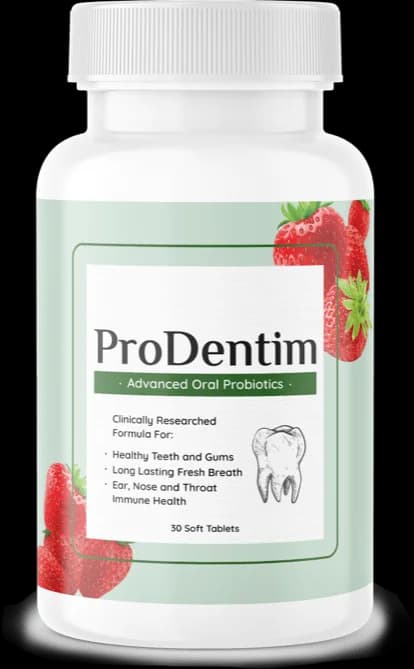
ProDentim is one of the most comprehensive dental probiotic formulations available, providing 3.5 billion CFU across multiple clinically validated oral-specific strains in a convenient chewable tablet format.
Frequently Asked Questions: Oral Microbiome & Dental Probiotics
Can dental probiotics actually fix bad breath permanently?
Dental probiotics containing S. salivarius K12 can significantly reduce bad breath by suppressing VSC-producing bacteria. Results are maintained with consistent daily use. Most users report lasting improvement after 4-6 weeks of consistent use. Unlike mouthwash, probiotics address the cause rather than masking the symptom.
How long does it take to see results from dental probiotics?
Clinical trials show measurable improvements in gum health and bad breath within 4-8 weeks of consistent daily use. Breath improvements (from K12 strains) often appear earlier — within 2-3 weeks in many users.
Are dental probiotics safe with medications?
Dental probiotics from food-grade bacterial strains (Lactobacillus and Streptococcus salivarius) are generally considered safe for healthy adults. However, immunocompromised individuals or those on specific medications should consult their healthcare provider before starting any probiotic supplement.
Can I take dental probiotics while on antibiotics?
Yes — but take them at different times (e.g., 2-3 hours after your antibiotic dose). Antibiotics reduce probiotic viability if taken simultaneously. Post-antibiotic use is particularly valuable to help rebalance the oral microbiome disrupted by the antibiotic course.
Should I stop using mouthwash if I use dental probiotics?
If you use alcohol-based mouthwash, consider switching to alcohol-free formulations or discontinuing. Using alcohol mouthwash right after taking dental probiotics defeats the purpose — the mouthwash kills the probiotics before they can colonize. If you want a rinse, salt water is a gentle, microbiome-respectful option.
Conclusion: Your Mouth Needs Cultivation, Not Sterilization
The paradigm shift in oral health science is clear: your mouth is not a sterile environment to be kept germ-free — it's a living ecosystem that thrives when properly balanced and deteriorates when disrupted. The most effective oral health approach combines good mechanical hygiene (brushing, flossing) with microbiome-supportive habits: eliminating alcohol mouthwash, reducing sugar, and actively reintroducing beneficial bacteria through dental probiotics.
This is the science behind why so many people find significant improvements in gum health, breath quality, and overall oral comfort when they add a quality dental probiotic like ProDentim to their routine — addressing the microbiome root cause that brushing alone was never designed to fix.