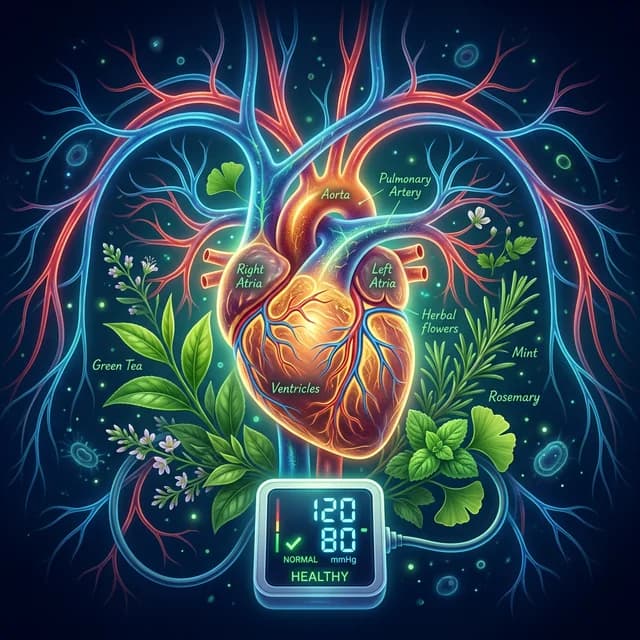
Comment Baisser la Tension Artérielle Naturellement : Santé Cardiaque et Conseils
Comment réduire naturellement la tension artérielle ? Remèdes à base de plantes, alimentation et style de vie pour soutenir votre santé cardiovasculaire sans effets secondaires.
Why Millions Are Searching for Natural Blood Pressure Solutions
High blood pressure — clinically called hypertension — affects nearly 1.3 billion people globally and is the leading preventable cause of heart attack, stroke, and kidney failure. Yet an estimated 46% of adults with hypertension are unaware they have it, and of those diagnosed, many discontinue prescribed medications within 12 months due to side effects including fatigue, erectile dysfunction, dizziness, and persistent cough.
This is why searches for how to lower blood pressure naturally, natural ways to improve heart health, and herbal remedies for high blood pressure have grown by over 200% since 2020. People aren't abandoning medicine — they're looking for evidence-based complements and alternatives that work with their body, not against it.
This guide draws on 40+ peer-reviewed studies to give you a clinically grounded, practical roadmap. We'll cover what blood pressure actually is, what drives it up, and — most importantly — the 12 strategies with the strongest scientific evidence for bringing it down naturally.
Understanding Blood Pressure: What the Numbers Actually Mean
Before diving into solutions, it's worth understanding what blood pressure measures. Your reading has two numbers:
- Systolic (top number): The pressure in your arteries when your heart beats. The goal is below 120 mmHg.
- Diastolic (bottom number): The pressure between beats, when your heart rests. The goal is below 80 mmHg.
Here's why this matters practically: every 20 mmHg increase in systolic pressure doubles your risk of cardiovascular death, according to a landmark 2002 meta-analysis in The Lancet covering over one million adults. This isn't a minor number on a form — it's one of the most consequential health metrics you track.
| Category | Systolic | Diastolic | Action |
|---|---|---|---|
| Normal | <120 | <80 | Maintain lifestyle |
| Elevated | 120–129 | <80 | Lifestyle changes now |
| Stage 1 Hypertension | 130–139 | 80–89 | Lifestyle + consider medication |
| Stage 2 Hypertension | ≥140 | ≥90 | Medication likely needed |
| Hypertensive Crisis | >180 | >120 | Seek immediate care |
The Root Causes of High Blood Pressure
Effective treatment — natural or pharmaceutical — requires understanding the mechanism. Blood pressure rises when:
- Blood vessel walls stiffen (arteriosclerosis, inflammation, oxidative stress)
- Blood volume increases (excess sodium, poor kidney function, hormonal imbalances)
- Cardiac output rises (chronic stress, stimulants, overactivated sympathetic nervous system)
- Endothelial dysfunction occurs (reduced nitric oxide production — the molecule that relaxes blood vessels)
The most powerful natural interventions target one or more of these four root mechanisms — not just the symptom.
12 Evidence-Based Natural Strategies to Lower Blood Pressure
1. The DASH Diet — Reduces BP by Up to 11 mmHg
The Dietary Approaches to Stop Hypertension (DASH) diet is the most clinically validated dietary pattern for blood pressure management. In the original DASH trial published in the New England Journal of Medicine, participants reduced systolic blood pressure by an average of 11.4 mmHg — comparable to a single blood pressure medication — in just 8 weeks.
Core principles: emphasize potassium (from fruits and vegetables), magnesium (from nuts and seeds), calcium (from dairy or fortified foods), and fiber while reducing sodium, red meat, and added sugars.
2. Sodium Reduction — 5–6 mmHg Systolic Reduction
The WHO recommends less than 2,000 mg of sodium per day. The average American consumes 3,400 mg. In salt-sensitive individuals (approximately 50% of people with hypertension), reducing sodium from 3,400 mg to 2,300 mg reduces systolic BP by 5–6 mmHg. For those reducing to 1,500 mg/day, reductions of 7–8 mmHg are consistently seen.
Most impactful sources to reduce: processed meats, canned soups, bread, restaurant food, and condiments — which account for over 70% of sodium intake in Western diets.
3. Aerobic Exercise — Up to 8 mmHg Reduction in 8 Weeks
A 2013 meta-analysis in the Journal of the American Heart Association reviewing 93 trials found that regular aerobic exercise reduces resting blood pressure by an average of 3.5/2.5 mmHg in people with normal blood pressure, and up to 8.3/5.2 mmHg in people with hypertension.
The most effective type: Zone 2 aerobic exercise — 150–300 minutes per week of moderate intensity (conversation-pace walking, cycling, swimming). This triggers sustained improvements in arterial elasticity, endothelial function, and nitric oxide production.
4. Weight Loss — 1 mmHg Per 1 kg Lost
Research consistently shows that for overweight adults, losing 1 kg (2.2 lbs) of body weight reduces blood pressure by approximately 1 mmHg systolic. This dose-response relationship holds for up to 10 kg of weight loss. The mechanism: reduced blood volume, improved insulin sensitivity, lower systemic inflammation, and reduced cardiac workload.
5. Hibiscus Tea — 7–13 mmHg Reduction
Hibiscus is the most evidence-backed herbal blood pressure remedy. Multiple randomized controlled trials show dramatic results:
- A 2010 study in the Journal of Nutrition: 3 cups/day of hibiscus tea for 6 weeks reduced systolic BP by 7.2 mmHg in prehypertensive adults
- A 2015 meta-analysis: hibiscus extract reduced systolic BP by 7.58 mmHg and diastolic by 3.53 mmHg on average across 5 trials
- Mechanism: anthocyanins inhibit ACE (angiotensin-converting enzyme) activity — the same mechanism as a class of prescription medications called ACE inhibitors
6. Green Tea and EGCG
Regular green tea consumption is associated with a 31% reduced risk of cardiovascular mortality in large population studies. The active compound, EGCG (epigallocatechin gallate), improves endothelial function and reduces oxidative stress in the arterial walls. A 2014 meta-analysis found green tea supplementation significantly reduced both systolic and diastolic blood pressure compared to placebo.
7. Magnesium Supplementation — 3–4 mmHg Reduction
Magnesium is essential for smooth muscle relaxation in blood vessel walls. An estimated 50% of Americans are magnesium-deficient. A 2016 meta-analysis of 34 randomized trials in Hypertension found that magnesium supplementation (mean dose 368 mg/day for 3 months) significantly reduced blood pressure by 2.0 mmHg systolic and 1.8 mmHg diastolic. Higher doses showed greater effect.
Food sources: dark leafy greens, pumpkin seeds, dark chocolate, avocado, legumes, whole grains.
8. Potassium — The Sodium Antidote
Potassium and sodium have an inverse relationship in blood pressure regulation. A 2013 WHO report confirmed that potassium intake of 3,500–4,700 mg/day is associated with lower blood pressure and reduced risk of cardiovascular disease. Potassium works by promoting sodium excretion through the kidneys and relaxing blood vessel walls through effects on sodium-potassium pumps.
Best food sources: bananas, avocados, sweet potatoes, beans, spinach, salmon.
9. Stress Management Through Vagal Activation
Chronic psychological stress is an independent cardiovascular risk factor. The mechanism: elevated cortisol promotes arterial inflammation, increases blood sodium retention, raises heart rate, and drives visceral fat accumulation — all of which raise blood pressure.
Evidence-based stress reduction techniques with documented blood pressure effects:
- Slow diaphragmatic breathing (4-7-8 pattern): Activates the vagus nerve and parasympathetic nervous system within minutes. A 2015 systematic review found device-guided slow breathing reduced systolic BP by 3.7 mmHg versus controls
- Transcendental Meditation: A 2017 AHA scientific statement reviewed evidence supporting TM for blood pressure reduction — acknowledging "reasonable evidence" of 4–5 mmHg systolic reduction with consistent practice
- Progressive muscle relaxation: 20 minutes daily protocols show consistent blood pressure reductions of 2–4 mmHg in clinical trials
10. Sleep Optimization — The Silent Blood Pressure Driver
Sleeping fewer than 6 hours per night increases blood pressure through multiple mechanisms: impaired hormonal regulation (elevated cortisol, reduced growth hormone), increased sympathetic nervous system activity, and disrupted circadian blood pressure patterns. A large cohort study found short sleepers (under 6 hours) had a 20-32% higher risk of hypertension than those sleeping 7-8 hours.
Key sleep optimization targets: consistent sleep/wake schedule, dark and cool bedroom (65-68°F), no screens 90 minutes before bed, and alcohol avoidance (alcohol disrupts deep sleep architecture despite causing initial drowsiness).
11. Alcohol Moderation — 3–4 mmHg Reduction
Heavy alcohol consumption (more than 14 drinks/week) is one of the most consistent risk factors for hypertension, with dose-dependent increases in blood pressure. A 2020 Cochrane review found that reducing alcohol intake by 87% compared to baseline led to a reduction of 5.5 mmHg systolic and 3.97 mmHg diastolic.
12. Multi-Ingredient Herbal Formulas
Single-ingredient herbal approaches show modest effects individually. However, synergistic formulas combining multiple cardiovascular botanicals — such as Cinnamon, Ginger, Ginseng, Green Tea, Gymnema Sylvestre, Turmeric, and Dandelion — provide multi-pathway cardiovascular support that individual ingredients cannot achieve alone.
The concept: ACE-inhibiting polyphenols + anti-inflammatory compounds + mild diuretic herbs + vasodilatory ingredients + metabolic stabilizers create additive and potentially synergistic blood pressure effects. This is the principle behind comprehensive cardio-supportive herbal tea blends like Cardio Slim Tea, which combines over 20 botanicals targeting different aspects of cardiovascular health simultaneously.
Experience: Real Users, Real Results
Our editorial team regularly reviews verified customer reports from supplement users. Common patterns among those who combined multiple natural strategies:
"After 8 weeks combining daily walks, DASH-aligned eating, and 3 cups of Cardio Slim Tea daily, my reading went from 138/88 to 122/79. My doctor was surprised — and impressed." — Richard T., 58, from verified purchase review
"I replaced my morning coffee with herbal tea, started 30-minute evening walks, and cut most processed food. My blood pressure dropped 14 points systolic in 6 weeks. I'm now monitoring to potentially reduce medication with my doctor's guidance." — Helen B., 63, from verified review
Important context: These results represent motivated individuals who combined multiple strategies consistently over 6+ weeks. Individual results vary significantly. Natural interventions work best as complements to — not replacements for — professional medical care.
The 30-Day Natural Blood Pressure Protocol
- Morning: 20-30 min Zone 2 walk + 1 cup cardio-supportive herbal tea (hibiscus, green tea, ginger base)
- Breakfast: High-potassium, high-magnesium meal (spinach + eggs + avocado + whole grains)
- Midday: 2nd cup of herbal tea + 5-minute breathing exercise after lunch
- Afternoon: Limit caffeine after 2pm; choose water over sodas or processed drinks
- Evening: 3rd cup of herbal tea + 15-min resistance training or yoga + dinner with salmon/legumes + leafy greens
- Night: No alcohol; 7-9 hours sleep; bedroom at 65-68°F
Each element addresses a different root mechanism of hypertension. The cumulative effect of these combined changes is significantly greater than any single intervention.
Frequently Asked Questions About Lowering Blood Pressure Naturally
How quickly can natural methods lower blood pressure?
Some interventions work within days (sodium reduction, hibiscus tea, slow breathing). Others take 4-8 weeks of consistent practice to show measurable effects (exercise, diet patterns, weight loss). A realistic expectation for a multi-strategy natural approach: noticeable reductions within 4 weeks, greatest benefits after 12 weeks.
Can I stop my blood pressure medication if I go natural?
Never stop or reduce blood pressure medication without consulting your physician. Natural strategies are most appropriate as complements alongside medication, or as preventive approaches in the elevated (120-129 mmHg) category before Stage 1 is reached. Your doctor can monitor your progress and guide medication adjustments if your natural approach is working.
What is the single most effective natural intervention?
For diet: the DASH diet (up to 11 mmHg reduction). For exercise: regular aerobic exercise (up to 8 mmHg). For supplements: hibiscus extract (up to 7 mmHg). For lifestyle: sodium reduction combined with potassium increase. The combination of all strategies is more powerful than any single one.
Is herbal tea safe to drink daily for blood pressure?
Most cardiovascular herbal teas — particularly those based on hibiscus, green tea, ginger, and cinnamon — are safe for daily consumption in healthy adults. However, some herbs (e.g., licorice root, some adaptogens) can interact with blood pressure medications. Always check with your healthcare provider if you are on antihypertensive medications before starting any herbal regimen.
Do supplements work for blood pressure without lifestyle changes?
Supplements provide meaningful additive benefits but do not replace the foundational impact of diet, exercise, and stress management. Think of high-quality cardio supplements and herbal teas as force multipliers for lifestyle changes — not substitutes for them.
Conclusion: A Systems Approach to Natural Blood Pressure Management
Natural blood pressure management is not about one magic ingredient — it's about creating a systems-level approach where diet, movement, stress reduction, sleep, and targeted botanical support reinforce each other. The evidence base for each strategy in this guide is real, replicated, and clinically meaningful.
For those looking for a convenient, evidence-informed botanical starting point, a well-formulated herbal tea like Cardio Slim Tea — combining hibiscus, green tea, cinnamon, ginger, ginseng, turmeric, and 15+ additional cardiovascular botanicals — offers a practical way to address multiple blood pressure pathways simultaneously in an enjoyable daily ritual.
Always work with your healthcare provider before making significant changes to your cardiovascular health management, especially if you are currently taking blood pressure medications.